Reliable Electrical Repair in Rhode Island
Diagnostic technicians isolate wiring hazards, replace failing circuit breakers, and resolve residential power outages across Rhode Island. Call now for prompt on-site troubleshooting.
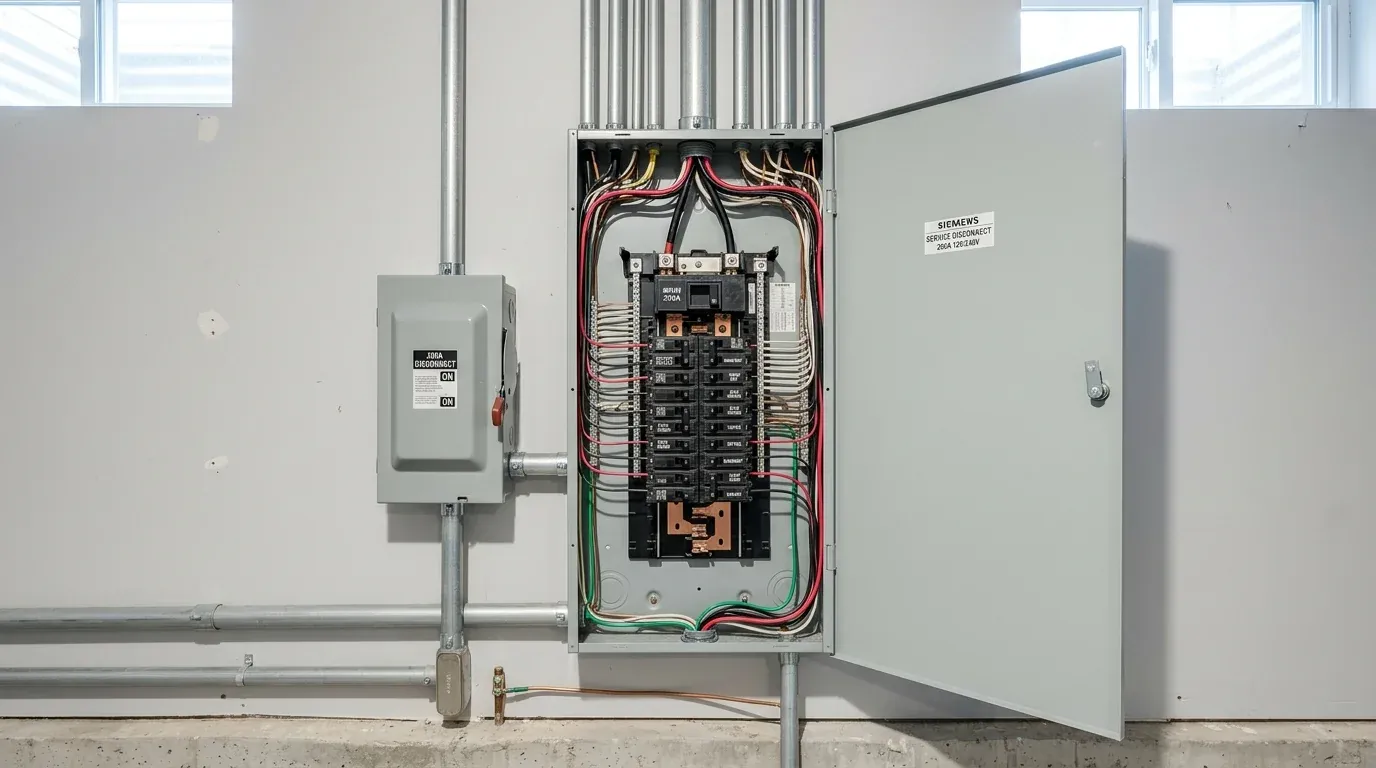
Dedicated residential electrical solutions in Rhode Island
Sudden circuit failures and burning outlet odors disrupt everyday routines and compromise home safety. Dispatchers connect homeowners throughout Rhode Island with electricians who isolate short circuits and restore reliable power without guesswork.
Every service vehicle carries modern diagnostic tools, replacement breakers, and heavy-duty wiring hardware to address common hazards on arrival. Electrical safety and strict code compliance remain top priorities during every service call.
Core electrical troubleshooting in Rhode Island
- Emergency Electrical Repair, resolving sudden power outages, buzzing panels, and urgent safety hazards
- Electrical Panel Upgrade, modernizing 200-amp breaker boxes and expanding circuit capacity
- Circuit Breaker Replacement, stopping nuisance trips, overheating breakers, and bus bar wear
- Wiring & Rewiring, replacing outdated knob-and-tube, aluminum wiring, and faulty conductors
- Outlet & Switch Repair, fixing dead wall receptacles, loose plugs, and installing GFCI/AFCI
Our electrical service workflow
A quick call to our dispatch office begins the process. Describe the symptoms—such as flickering lights, warm wall plates, or dead outlets—and our team coordinates an electrician to visit your property.
Upon arrival, the electrician performs multimeter testing and visual panel inspections to pinpoint the exact failure. You receive a clear explanation of required repairs alongside an upfront written estimate before any work proceeds.
Communities we support in Rhode Island
Homeowner experiences in Rhode Island
"A faint fishy odor near the utility room had been bothering us for days until we realized it was scorched phenolic plastic inside the breaker panel. The electrician detected a loose breaker clip that had overheated the bus stab, relocated the circuit to a pristine bus slot, and replaced the damaged breaker immediately."
"An underground feeder line running to our detached garage shorted out after tree roots compressed the direct-burial cable. The crew located the exact fault point using an underground cable locator, trenched a protective PVC conduit run below the frost depth, and pulled fresh THHN conductors without destroying our landscaping."
"Two-prong ungrounded outlets in our 1950s home made it impossible to plug in computer workstations safely. The technician explained the National Electrical Code rules regarding GFCI retrofits, placed individual GFCI breakers at the panel, and labeled every downstream receptacle correctly so our electronics stay safe."
Frequent questions about electrical repair in Rhode Island
Need dependable electrical repair in Rhode Island?
Call our dispatch team today to discuss your wiring issues. An electrician will inspect the circuit and provide clear diagnostic pricing before starting repairs.