Service Specialization

Circuit Breaker Replacement

Circuit breakers serve as the frontline defense against residential electrical fires by interrupting excessive current draw. Over time, internal springs weaken, contacts pit from repeated tripping, and bus bar clips lose retention tension. Replacing compromised breakers with correctly rated units eliminates nuisance tripping and protects branch circuit conductors from dangerous overheating.
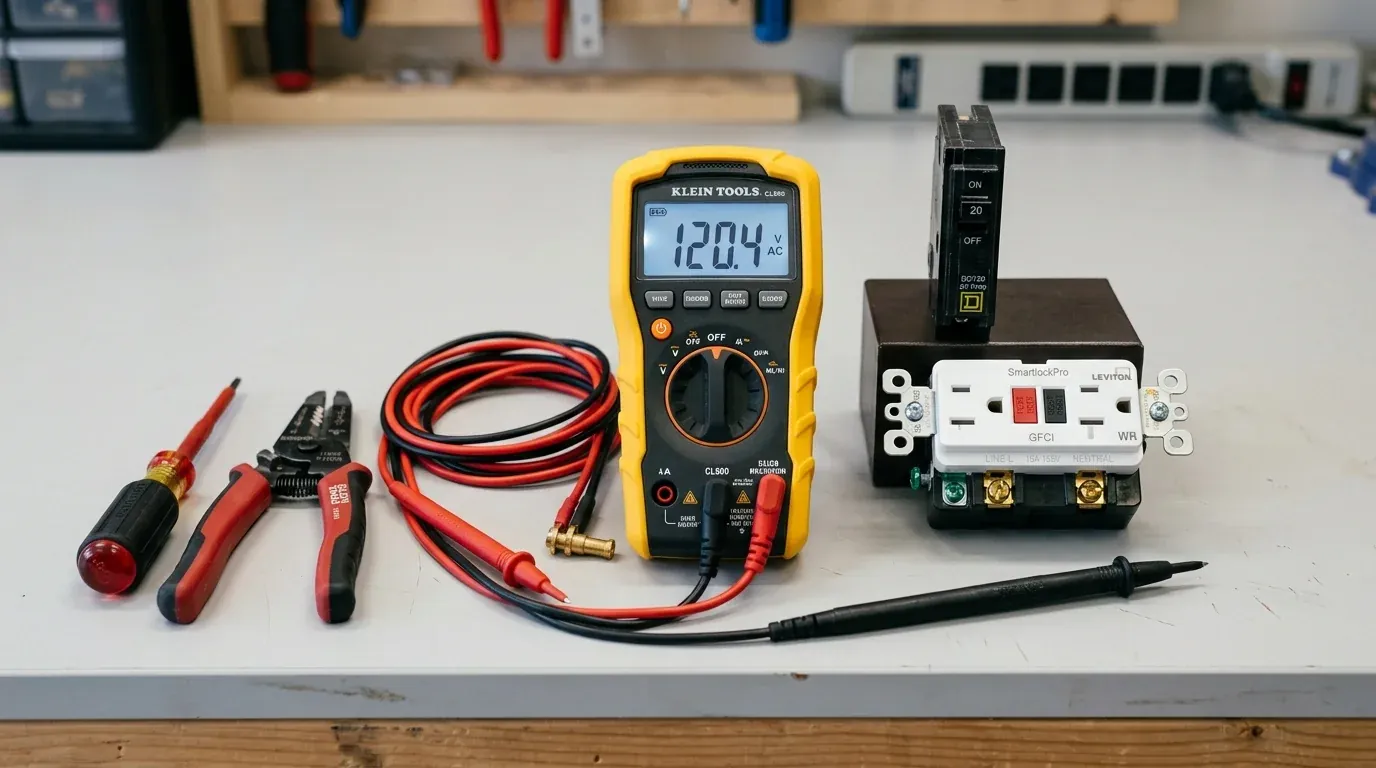
Circuit Breaker Replacement - Professional electrical repair and circuit troubleshooting

What this electrical service covers

Our circuit breaker replacement process focuses on isolating root mechanical and wiring faults rather than masking symptoms. We test voltage drop, inspect conductor integrity, and replace compromised components to ensure safe power delivery.

Services cover single-family homes, townhouses, and multifamily residential buildings. Every repair follows strict National Electrical Code requirements to protect residents from thermal overloads and shock risks.

What we handle for you

  • Comprehensive service panel and branch circuit testing
  • Itemized diagnostic assessment and clear repair scope
  • Code-approved commercial-grade electrical hardware

Who this service is for

Homeowners dealing with tripped breakers, flickering room fixtures, or ungrounded wiring benefit directly from this service. It is designed for property owners seeking permanent, code-compliant solutions to lingering electrical hazards.

When to schedule a visit

Prompt scheduling is critical whenever you detect warm wall switch plates, burning odors, or persistent circuit breaker trips. Delaying electrical service allows minor micro-arcing to damage surrounding insulation and framing timber.

Call our dispatch coordinators directly to describe the symptoms. We will review your situation and assign an electrician promptly.

Diagnostic and repair pricing

Pricing reflects the exact component failure and the labor required to access and replace affected wiring. Diagnostic fees are explained upfront before the visit, and you receive a firm written repair quote once the fault is isolated.

Frequently Asked Questions

Instant tripping signals a dead short circuit, where a hot wire touches a grounded metal surface or a neutral wire directly. The breaker trips mechanically within milliseconds to prevent a fire. Diagnostic inspection isolates appliances along the branch to locate the short before resetting the lever.
Thermal-magnetic mechanisms inside circuit breakers degrade after decades of service and repeated trip cycles. Internal bimetallic strips lose calibration, causing the breaker to trip under normal electrical loads. Replacing the tired breaker restores proper amperage threshold performance.
High resistance caused by a loose wire terminal or a corroded bus stab clip generates intense heat inside the breaker housing. While breakers run slightly warm under heavy continuous loads, a hot faceplate indicates impending failure that can permanently scorch the panel interior.
Arc-Fault Circuit Interrupters contain microprocessor sensors that detect the unique electrical signatures of sparking and arcing behind walls. Standard breakers only trip on direct short circuits or gross overloads, leaving homes vulnerable to low-level electrical arcing from damaged cords or loose splices.
Never increase breaker amperage without first confirming the gauge of the branch wire conductors. Standard 15-amp circuits use 14-gauge copper wire that cannot safely handle 20 amps of current. Swapping in a larger breaker allows wires to overheat inside walls, creating a catastrophic fire risk.
Vibrations within the magnetic coils or microscopic arcing across loose terminal clips cause audible humming from a breaker. A mild hum can occur under peak loads, but loud buzzing demands prompt inspection to prevent burning the copper bus stab underneath.
Installing a Ground-Fault Circuit Interrupter breaker inside the main panel protects the entire branch run, including all downstream receptacles and hardwired fixtures. This approach provides whole-circuit shock protection without requiring individual GFCI outlets in kitchens, bathrooms, or unfinished basements.
Panels require specific breaker models listed on their manufacturer schematic label. Forcing a mismatched breaker brand onto a bus bar creates poor mechanical contact, arcing, and metal pitting that voids the panel warranty and violates the National Electrical Code.

Need immediate electrical troubleshooting?

Call our team now to request a diagnostic appointment. We will evaluate your electrical issues without delay.

Call 877-451-0206

Request an Estimate

Speak with a dispatcher to discuss diagnostic pricing and schedule a service visit today.

877-451-0206
Circuit Breaker Replacement Assistance

Need circuit breaker replacement for your home?

Contact our team now to arrange a visit with an electrician. We will pinpoint the issue and give you a clear written quote before starting work.