Electrical Repair in Denver, NC
Trained electricians respond across Denver to isolate wiring hazards, resolve dead circuits, and replace damaged breakers. Call now to schedule diagnostic troubleshooting.
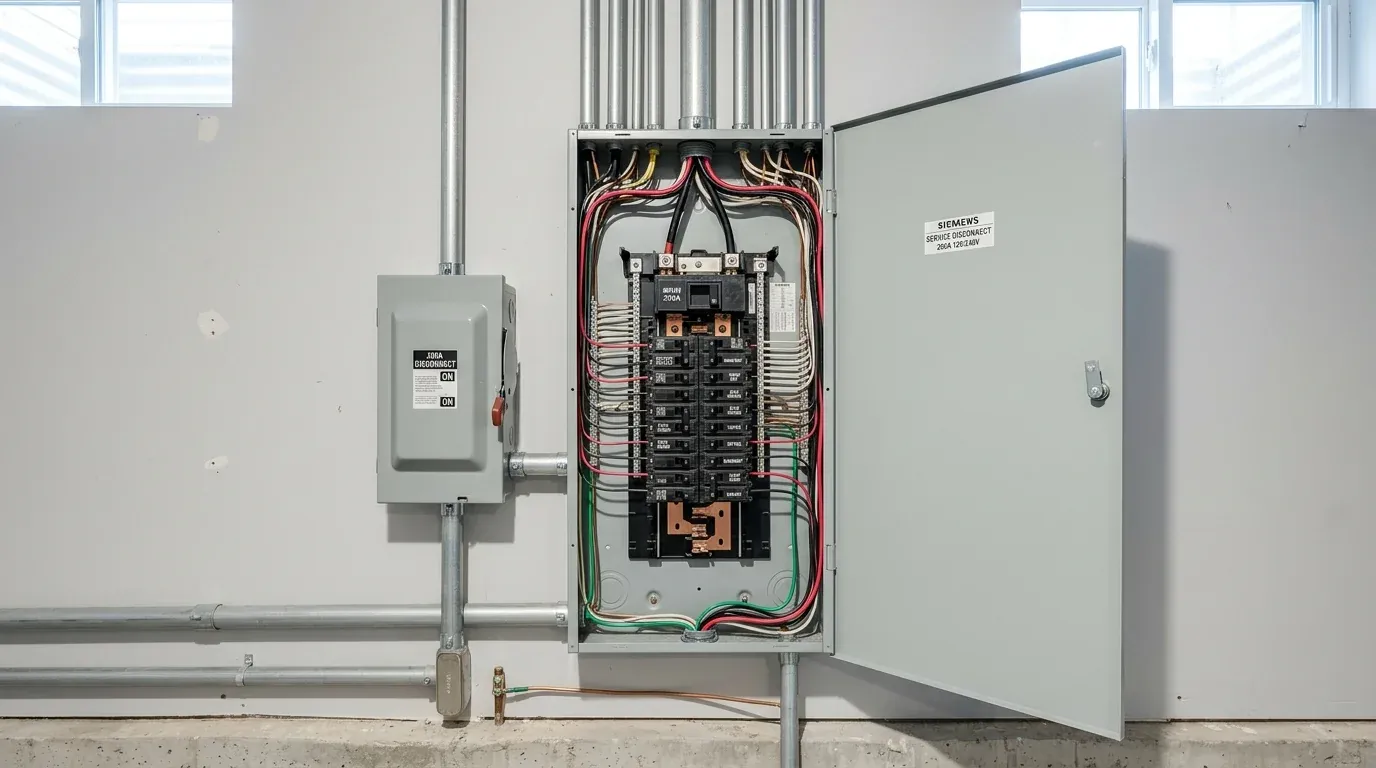
Dependable electrical troubleshooting in Denver
Unexpected power outages in specific rooms or buzzing breaker boxes disrupt daily routines and threaten appliance safety. Technicians dispatch across Denver to trace the underlying fault and complete lasting repairs immediately.
Every technician arrives equipped with digital multimeters, circuit tracers, and heavy-duty replacement hardware to handle typical failures. A comprehensive inspection ensures we fix the root problem rather than temporarily resetting a breaker.
Common electrical repairs we handle in Denver
- Emergency Electrical Repair, resolving sudden power outages, buzzing panels, and urgent safety hazards
- Electrical Panel Upgrade, modernizing 200-amp breaker boxes and expanding circuit capacity
- Circuit Breaker Replacement, stopping nuisance trips, overheating breakers, and bus bar wear
- Wiring & Rewiring, replacing outdated knob-and-tube, aluminum wiring, and faulty conductors
- Outlet & Switch Repair, fixing dead wall receptacles, loose plugs, and installing GFCI/AFCI
What happens during an electrical service visit
A single call connects you with our scheduling team. Describe the symptoms your electrical system is experiencing so our coordinators can gauge urgency and assign a technician.
Upon arrival, the electrician inspects your service panel and tests the affected circuits under load. You receive a clear explanation of the failed component alongside a firm upfront price quote. Once approved, the repair is completed to full National Electrical Code standards.
What clients in Denver say
"Our main breaker panel began emitting a low, persistent buzzing noise after an afternoon thunderstorm. The electrician used a thermal camera to spot a severely overheating 50-amp double-pole breaker feeding the air conditioner. Replacing the worn breaker and cleaning pitted bus bar stabs took less than an hour."
"Sparking behind the kitchen counter started every time our microwave ran alongside the toaster. The technician traced the issue to an overloaded daisy-chained receptacle with heat-damaged back-wire terminals. Replacing the outlet with screw-terminal connections and balancing the branch circuit stopped the dangerous arcing immediately."
"A faint fishy odor near the utility room had been bothering us for days until we realized it was scorched phenolic plastic inside the breaker panel. The electrician detected a loose breaker clip that had overheated the bus stab, relocated the circuit to a pristine bus slot, and replaced the damaged breaker immediately."
Denver Service Area
Questions regarding electrical repair in Denver
Our Electrical Services
Serving All of Lincoln County
Ready to schedule electrical repair in Denver?
Call our dispatch team now to arrange diagnostic troubleshooting. An electrician will examine your electrical system and provide an upfront written estimate.